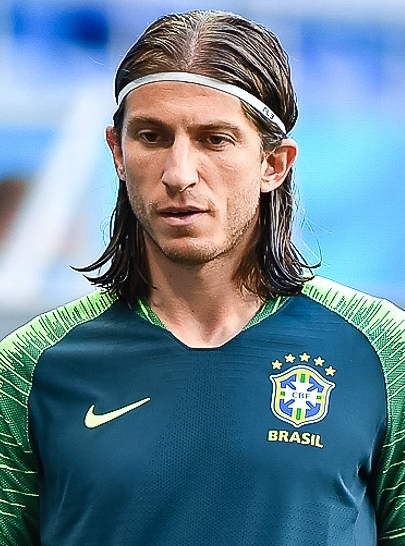
Filipe Luís' Journey: From Champion Player to Managerial Turmoil at Flamengo
The name Filipe Luís, once synonymous with defensive solidity, tactical intelligence, and a tireless work ethic on the football pitch, now echoes through the corridors of Brazilian football, not just for his illustrious playing career, but for his brief yet tumultuous tenure as
técnico Filipe Luís at Flamengo. A decorated athlete who reached the pinnacle of European football, his transition to the dugout at one of Brazil's biggest clubs was met with anticipation. However, what unfolded was a dramatic saga, culminating in an abrupt dismissal that left many scratching their heads, highlighting the unforgiving nature of modern football management.
From Tireless Left-Back to Tactical Mastermind: Filipe Luís' Illustrious Playing Career
Born on August 9, 1985, Filipe Luís Kasmirski carved out a reputation as one of the most reliable and intelligent left-backs of his generation. His journey began in earnest in Spain, where he spent four impactful seasons at Deportivo La Coruña, showcasing the blend of defensive robustness and attacking flair that would define his game. It was his move to Atlético Madrid in 2010, however, that truly cemented his status as a world-class talent.
Under the astute guidance of Diego Simeone, Filipe Luís thrived, becoming an integral part of an Atlético side that defied expectations. During his first stint at the club, he lifted four major trophies, including the coveted La Liga title in the 2013-14 season, the Copa del Rey, the UEFA Europa League, and the UEFA Super Cup. His ability to read the game, provide width, and contribute defensively was crucial to Atlético's success, making him a fan favorite.
His exceptional performances earned him a significant £15.8 million move to English giants Chelsea in July 2014. Though his time at Stamford Bridge was shorter, he quickly adapted to the Premier League's demands, helping José Mourinho's side clinch both the Premier League title and the League Cup in his single season. Despite this success, he returned to Atlético Madrid, adding another Europa League and UEFA Super Cup to his collection, further solidifying his legacy as a winner.
In 2019, Filipe Luís made an emotional return to his homeland, joining Flamengo as a player. He continued his winning ways, contributing to multiple Campeonato Brasileiro Série A titles, Copa Libertadores crowns, and other domestic and continental honors. His leadership, experience, and tactical awareness were invaluable to Flamengo, earning him immense respect from the club's passionate fanbase. This deep connection to Flamengo, both as a player and a leader, made his eventual step into management seem like a natural and well-deserved progression.
The Allure of the Dugout: Filipe Luís' Transition to Management
The path from player to manager is one many decorated footballers attempt, drawn by the desire to continue influencing the game they love, albeit from a different vantage point. For Filipe Luís, whose playing style was always underpinned by strong tactical understanding and leadership qualities, the transition seemed particularly apt. Throughout his playing career, he was often seen as a coach on the field, meticulously organizing the defense and dictating play from the left flank.
His experience under world-renowned managers like Diego Simeone and José Mourinho undoubtedly provided a masterclass in tactical discipline, man-management, and winning mentalities. These foundational elements hinted at a promising future in coaching. Flamengo, a club where he enjoyed immense success and shared a profound bond with the supporters, presented the ideal starting point for his managerial ambitions. Initially taking on roles within the club's youth setup, it was a move designed to allow him to hone his craft, understand the intricacies of coaching, and prepare him for greater responsibilities. The anticipation was palpable: the legendary left-back was now transforming into
técnico Filipe Luís, ready to impart his winning philosophy from the sidelines.
The Flamengo Rollercoaster: A Meteoric Rise and Abrupt Fall for Técnico Filipe Luís
Filipe Luís' journey as a manager at Flamengo was nothing short of a whirlwind, encapsulating the dramatic highs and inexplicable lows that characterize top-tier football. His appointment, initially within the youth categories, quickly saw him elevate through the ranks, demonstrating an immediate aptitude for coaching. He quickly instilled a clear tactical identity in his teams, proving that his intelligence on the pitch translated effectively to the dugout.
His breakthrough moment came with the opportunity to manage a Flamengo side competing for the Carioca final. Under his guidance, the team embarked on what was described as an "incredible run," showcasing impressive performances and results. The climax of this period was a resounding 8-0 victory that secured their place in the Carioca final. It was a dominant display, a testament to the team's cohesion and the tactical prowess of
técnico Filipe Luís. The victory should have been a moment of triumph, a celebration of hard work and strategic brilliance.
Instead, less than 24 hours after this emphatic win and securing a spot in a major final, the football world was stunned by the news: Filipe Luís had been sacked. This astonishing decision sent shockwaves, particularly given the circumstances, a topic explored further in
Winning 8-0 Then Sacked: The Shocking Exit of Filipe Luís from Flamengo. To truly grasp the complexities, one must look
Beyond the Carioca Final: Unpacking Filipe Luís' Abrupt Flamengo Departure. The sheer paradox of winning so convincingly and yet being dismissed so brutally highlighted the volatile nature of managerial roles, especially at a club with the intense pressure and high expectations of Flamengo.
Unpacking the Paradox: Why Was Técnico Filipe Luís Sacked?
The dismissal of
técnico Filipe Luís so soon after such a significant achievement raises several pertinent questions and offers a stark lesson in the realities of football management. While the exact reasons from Flamengo's hierarchy might remain guarded, several factors could contribute to such a perplexing decision:
*
Pre-existing Plans and Ambitions: It's plausible that the club had a long-term strategy for their senior team that did not include Filipe Luís as the head coach, regardless of immediate results. Perhaps he was seen as an interim solution or a developmental manager whose trajectory for the main team was still some time away. Flamengo, a club with immense resources and global aspirations, often targets highly experienced or 'big-name' coaches for its senior squad.
*
Internal Politics and Vision Discrepancies: Football clubs, especially large ones, are often hotbeds of internal politics. There might have been disagreements between the coaching staff, the sporting director, and the club president regarding tactical philosophy, player recruitment, or the overall direction of the team. Even a resounding victory might not align with a deeper, fundamental vision clash.
*
Youth Team vs. Senior Team Context: While Filipe Luís was coaching a Flamengo side that reached the Carioca final, the specific level (e.g., U-20 team, or an interim role with senior team players for a specific tournament) can influence the club's long-term managerial decisions. If he was managing a development squad, the club might have deemed his successful interim spell as complete, paving the way for a senior coach with different credentials for the *Campeonato Brasileiro Série A* squad.
*
The "Flamengo Standard": Flamengo sets an incredibly high bar. Winning is expected, but *how* you win and the long-term sustainability of the project are often scrutinized relentlessly. An 8-0 victory, while impressive, might not have been enough to convince the board of a long-term fit if other criteria were not met.
This incident serves as a crucial case study for aspiring managers:
- Understand Club Culture: Research and comprehend the specific expectations, political landscape, and long-term vision of any club before taking on a role.
- Communicate Clearly: Ensure there's absolute clarity on your role, responsibilities, and the duration of your contract, especially if it's an interim position.
- Resilience is Key: The world of football management is brutal. Setbacks, even after successes, are part of the journey.
The Road Ahead: What's Next for Filipe Luís and Flamengo?
For Filipe Luís, this abrupt departure from Flamengo, despite the immediate success, presents a significant learning curve. While it is undoubtedly a setback, it doesn't diminish his potential as a manager. His tactical acumen, experience at the highest level as a player, and evident ability to lead and motivate a team suggest that this is merely a bump in the road. He will likely take time to reflect, analyze, and prepare for his next challenge, perhaps at a club where he can build a project with more stability and long-term vision. Many successful managers have faced early career dismissals, using them as stepping stones for future triumphs.
For Flamengo, the decision to part ways with
técnico Filipe Luís places immediate pressure on the club to find a replacement who can not only deliver results but also align seamlessly with their broader strategic objectives. The optics of sacking a manager after an 8-0 victory and reaching a final will undoubtedly draw scrutiny, and the new appointment will need to hit the ground running to justify such a bold move. The expectation for silverware at Flamengo is constant, and their next managerial choice will be crucial in shaping the club's immediate future.
In conclusion, Filipe Luís' journey from a revered player to a burgeoning manager at Flamengo encapsulates the thrilling yet often brutal nature of professional football. His brief tenure as
técnico Filipe Luís, marked by a rapid rise and an equally rapid, bewildering fall, underscores that success on the field does not always guarantee job security in the dugout. Nevertheless, his legacy as a player remains untarnished, and his managerial career, despite this dramatic chapter, is likely just beginning. The football world will be watching to see where this intelligent and determined individual's journey takes him next.