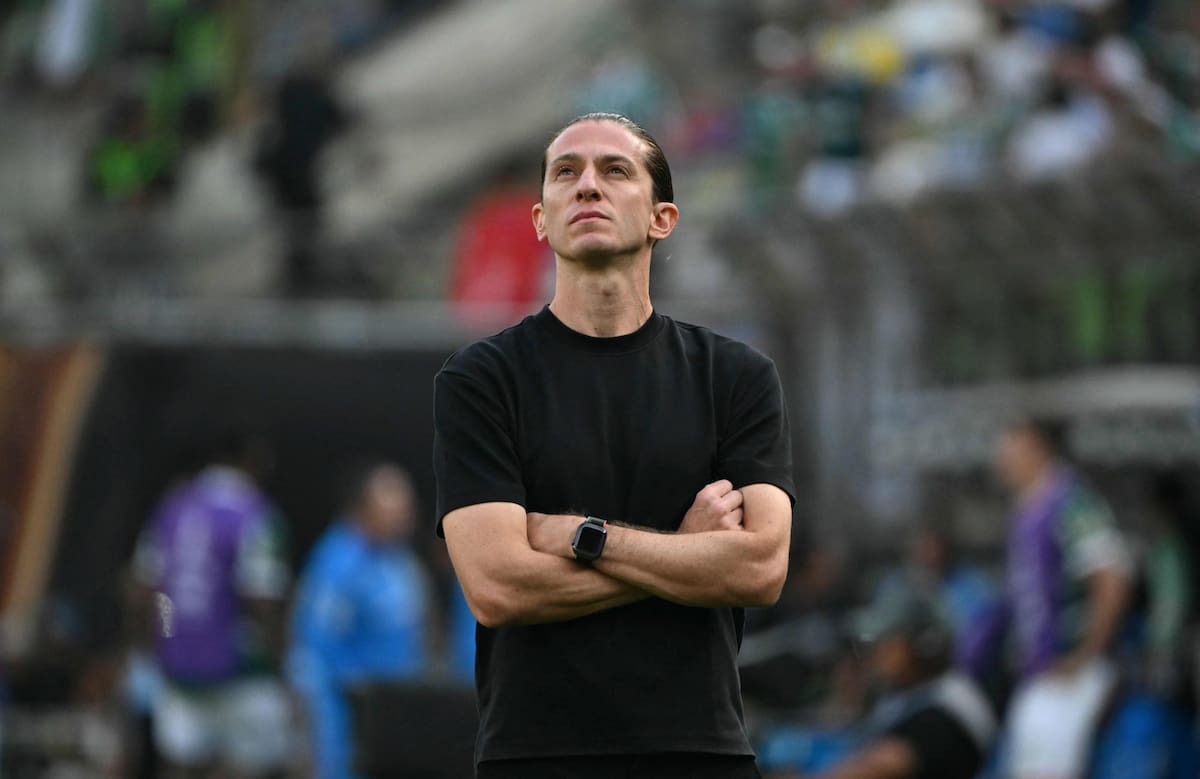
The Shocking Exit: Unpacking Filipe Luís' Abrupt Flamengo Departure
In the high-stakes world of professional football, triumphs can quickly turn to turmoil, and few recent events encapsulate this paradox quite like the abrupt departure of Filipe Luís from the managerial helm at Flamengo. A figure revered for his illustrious playing career and heralded as a rising star in the coaching ranks, the news that técnico Filipe Luís was sacked less than 24 hours after guiding his team to an 8-0 victory and a spot in the Carioca final sent shockwaves through Brazilian football and beyond. This isn't just a story about a manager leaving a club; it's a profound look into the brutal realities of football management, the razor-thin margins of success, and the unexpected twists that can derail even the most promising starts.
Filipe Luís Kasmirski, born on August 9, 1985, carved out an exceptional career as a left-back, known for his relentless work rate, impeccable tactical awareness, and consistent high-level performances. His journey from player to coach at a powerhouse like Flamengo was anticipated with excitement, yet his tenure as técnico Filipe Luís ended in a manner that defied conventional logic and left many questions unanswered. This article delves into the circumstances surrounding his departure, exploring his background, his brief but impactful run, and the broader implications for both the club and the promising young coach.
From Tireless Left-Back to Tactical Mind: Filipe Luís' Playing Legacy
Before donning the manager's jacket, Filipe Luís was a name synonymous with defensive solidity and offensive contribution. His playing career, predominantly spent in Spain, laid a strong foundation for a future in tactical leadership. He spent four formative seasons at Deportivo, where he honed his skills and tactical understanding. It was at Atlético Madrid, however, that he truly ascended to elite status, spending two successful stints and becoming a cornerstone of Diego Simeone's famously disciplined and resilient side.
- Atlético Madrid Glory: Between 2010 and 2014, and later from 2015 to 2019, Filipe Luís was instrumental in an era of unprecedented success for Atlético. He lifted four major trophies, most notably the 2014 La Liga championship – a monumental achievement in the shadow of giants Barcelona and Real Madrid. His contributions to two Europa League titles, a Copa del Rey, and a UEFA Super Cup further cemented his legacy.
- Premier League Success: A brief but impactful spell at Chelsea in the 2014-2015 season saw him win both the Premier League and the League Cup. Though his time at Stamford Bridge was short-lived, it added another dimension to his understanding of different footballing cultures and high-pressure environments.
- Distinguished Attributes: Throughout his playing days, Filipe Luís was consistently praised not just for his technical ability, but for his exceptional game intelligence, leadership qualities, and tireless approach. These attributes naturally pointed towards a future where he could transition his on-field insights into effective managerial strategies. His tactical awareness, often highlighted by pundits, suggested a deep understanding of the game that few players possess, making his move into coaching seem almost inevitable and highly promising.
His return to Brazil to play for Flamengo in the twilight of his career was met with enthusiasm, where he continued to demonstrate his winning mentality and experience. This connection to Flamengo, a club with immense expectations and a passionate fanbase, naturally paved the way for his managerial debut with the club.
A Promising Start: The Meteoric Rise and Abrupt Fall of Técnico Filipe Luís at Flamengo
The transition from a decorated player to a first-team manager is rarely smooth, yet for técnico Filipe Luís, his initial foray into coaching at Flamengo appeared to defy the odds. The details surrounding which specific Flamengo team he managed leading up to the Carioca final are crucial. While the context implies a senior role given the Carioca final, it's worth noting that many young coaches often begin with youth or reserve teams before progressing. Regardless of the exact tier, his results were undeniably impressive, suggesting a natural aptitude for management.
The Carioca Championship, a state league in Rio de Janeiro, is a significant competition for Brazilian clubs, often serving as a barometer for team strength and managerial prowess. To guide a team, particularly one under the intense scrutiny of Flamengo, to the final is a notable achievement. And then came the semi-final performance: an astonishing 8-0 victory. This wasn't merely a win; it was a dominant, emphatic statement of intent. It showcased a team playing with confidence, cohesion, and a clear tactical direction – hallmarks of effective coaching.
Imagine the jubilant scenes, the widespread acclaim, and the anticipation building for the final. The future seemed bright for técnico Filipe Luís. He had, in a short span, demonstrated his ability to inspire, organize, and deliver results. He appeared to be validating the belief that his exceptional tactical understanding as a player would translate seamlessly into managerial success. Yet, in a twist that left many speechless, the celebration was cut short. Less than 24 hours after that resounding 8-0 triumph and securing a spot in the coveted Carioca final, the news broke: Filipe Luís had been sacked.
The Paradox of Performance: Why Did Flamengo Dismiss a Winning Técnico?
The decision to dismiss técnico Filipe Luís immediately after such a dominant victory and reaching a major final is, on the surface, illogical and baffling. It highlights a critical, often brutal, aspect of modern football management: results are paramount, but they are not always the only factor. Here are some potential insights into what might have transpired:
- Beyond Immediate Results: Clubs, especially those with the stature and ambition of Flamengo, often look beyond a single result or even a short run of good form. There might have been underlying issues concerning long-term vision, playing philosophy, squad management, or even disagreements with the club's board or sporting director. Perhaps the club's hierarchy had a different strategic direction or preferred a different coaching profile for the senior team going forward, irrespective of short-term success.
- Internal Politics and Power Struggles: Football clubs are complex organizations, often riddled with internal politics. Decisions regarding managerial changes can sometimes be influenced by power struggles between different factions within the board, or by the preferences of key figures who might have already been planning a change for reasons unrelated to immediate on-field performance.
- Financial Considerations: While less likely to be the primary cause for a sacking immediately after a win, financial aspects, such as the availability of a more experienced or higher-profile coach, or the structure of Luís's contract, could play a subtle role in such abrupt decisions.
- Expectation Management: For a club like Flamengo, simply reaching a final might not be enough. The expectation is often to win every trophy, and perhaps the club leadership harbored doubts about the team's ability to win the final or achieve broader season objectives under his guidance. This perspective, though harsh, is a reality in top-tier football.
- The Unspoken 'Fit': Sometimes, despite good results, there might be a feeling that a coach isn't the right "fit" for the club's culture, media demands, or player dynamics. This "fit" can be subjective but can ultimately lead to a parting of ways.
The abruptness of the decision to let go of técnico Filipe Luís serves as a stark reminder of the volatile nature of football management. It illustrates that success, even spectacular success like an 8-0 victory, doesn't guarantee job security. For further perspective on the transition from player to manager and the challenges involved, explore Filipe Luís' Journey: From Champion Player to Managerial Turmoil at Flamengo.
Lessons from the Sidelines: Navigating the Managerial Minefield
The saga of Filipe Luís at Flamengo offers invaluable lessons for aspiring football managers and club executives alike:
- Communication is Key: Clear and consistent communication between the coaching staff and club management is crucial. Misunderstandings or misaligned expectations can lead to abrupt decisions, even amidst positive results.
- Beyond the Scoreboard: Clubs must evaluate managers not just on immediate outcomes, but on their long-term vision, player development, tactical philosophy, and ability to foster a cohesive team environment. Conversely, managers need to understand the club's overarching objectives and culture.
- The Pressure Cooker: Managing a top club, especially in a football-mad country like Brazil, involves immense pressure. Success is fleeting, and scrutiny is constant. Managers must be prepared for swift judgments, regardless of their past accolades as players.
- Patience is a Virtue (Often Absent): This incident underscores the prevalent lack of patience in modern football. While sometimes necessary, quick dismissals can destabilize teams and hinder long-term project development.
For técnico Filipe Luís, this unexpected setback, while undoubtedly painful, represents a pivotal learning experience. His vast playing experience and evident tactical acumen suggest that this is merely a chapter, not the end, of his managerial journey. He will undoubtedly emerge stronger, armed with a deeper understanding of the complexities of club management.
Conclusion: The End of a Chapter, Not the Story
The abrupt departure of técnico Filipe Luís from Flamengo, occurring in the immediate aftermath of an 8-0 triumph and securing a spot in the Carioca final, stands as one of the most perplexing managerial exits in recent memory. It highlights the often-unseen forces at play within major football clubs, where factors beyond mere on-field results can dictate a coach's fate. While the full story behind Flamengo's decision may never be completely public, it serves as a powerful reminder of the cutthroat nature of football management, where even a legendary player with a promising start can find his tenure curtailed in an instant.
Filipe Luís's journey as a manager is just beginning. His illustrious playing career, marked by tactical intelligence and a tireless work ethic, suggests that he possesses the core attributes for success. This challenging experience at Flamengo, despite its shocking conclusion, will undoubtedly shape his approach and resilience. The football world will watch with keen interest to see where this talented individual next applies his craft, eager to witness the evolution of técnico Filipe Luís from a tactical master on the pitch to a seasoned leader from the dugout.